
TRU Graduate Studies
Supervisor Supports
Your role as a supervisor is one of the most crucial factors in the success of your student’s graduate degree program. Your ability to effectively mentor your student will have a considerable impact on helping them achieve their full potential academically, pedagogically, and professionally.
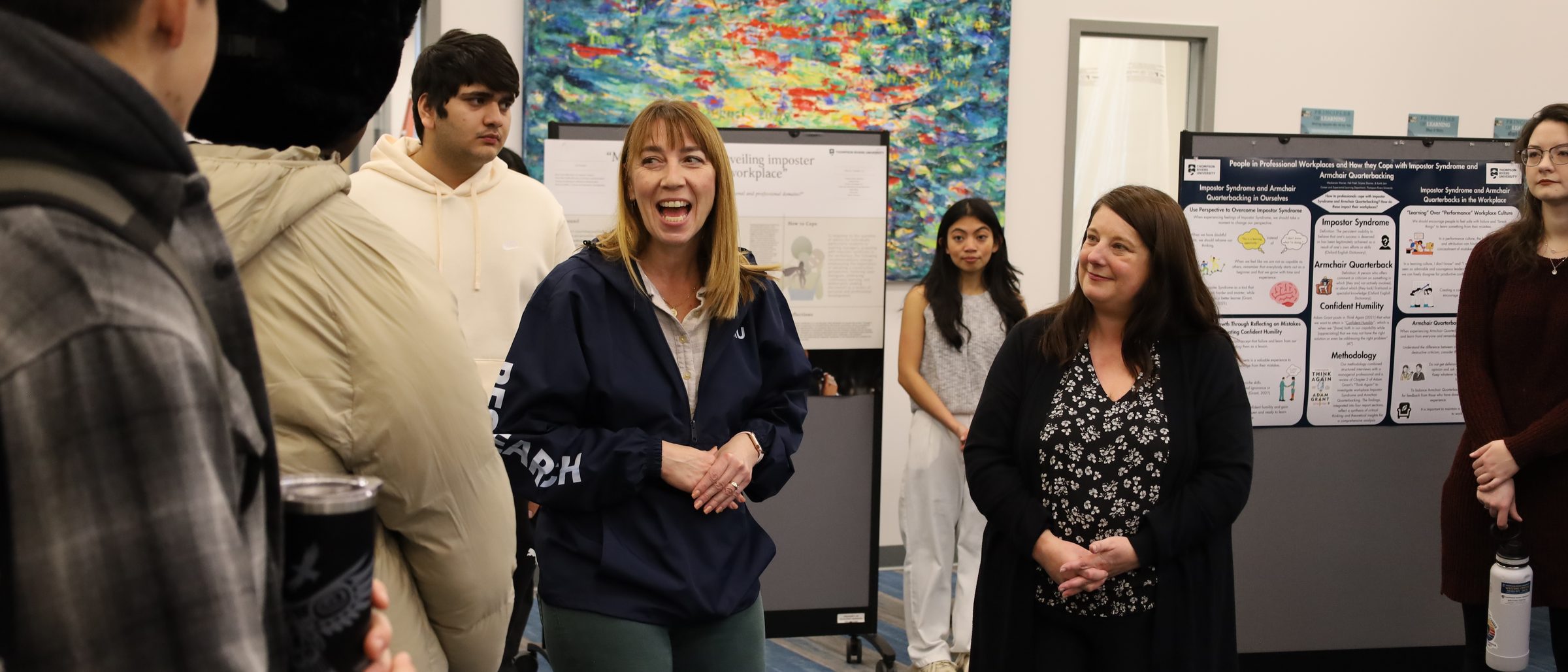
As an effective graduate supervisor, you must first recognize the responsibilities that come with this role and ensure that these are met to the best of your abilities with each graduate student. While each supervisor-student relationship will follow a unique path, there are best practices that can help ensure the student-supervisor relationship is both effective and productive for everyone involved.
Below, you will find modules that are practical supports to complement TRU’s Foundations of Graduate Supervision / Principles of Supervision.
Principles of Supervision
TRU Foundations of Graduate Supervision
This space is reserved for TRU’s Foundations of Graduate Supervision / Principles of Supervision. They will be added here once approved by the Graduate Senate Committee.
Review draft. This page uses Brock University’s wording as-is. Text highlighted like this is Brock-specific and needs a TRU equivalent, confirmation, or removal before launch. Hover over a highlight to see the note.

Module 1
Getting Started
Learn best practices and key strategies to build a strong, supportive, and effective relationship as a graduate student supervisor.
Module 2
Planning
Discover strategies and resources to collaboratively plan your graduate student’s journey—setting goals, timelines, and milestones for success.

Module 3
Progress
Learn how to support your graduate student’s academic progress and well-being through regular check-ins, feedback, and guidance.

Module 4
Support
Explore supports, resources, and professional development opportunities available to supervisors to help your students succeed.
Next Steps
Both Graduate Students and Supervisors can sometimes lose focus on the importance of developing skills that help students progress in their graduate program and future careers. Here are a few ideas to help engage your students in professional development opportunities.
Encourage students to engage with GRADvantage
GRADvantage is a personal and professional development support framework that engages graduate students in all programs and streams to help create their path based on interests and goals. This information hub collaborates with key supports and resources to help support their personal and professional growth.
Share opportunities for your students to participate in Graduate Studies events
Students have many opportunities to showcase their research, including research competitions (GRADflix, 3MT), research events (research cafe), conferences (MNK), and GRADshift.
Encourage and assist your students in applying for internal and external funding
Internal and external funding can help reduce the strain on resources and improve the quality of a student’s CV and portfolio.
Provide students with the opportunity to attend regional, national, or international conferences
Attending conferences, including MNK (Mapping the New Knowledges), will help graduate students practice networking skills, improve their presentation skills, discover research in their field, and receive feedback from both colleagues and experts.
Share career-related resources
Introduce your graduate student to the many resources available to them through Career and Experiential Learning, including career consults, CV reviews, interview prep, and free LinkedIn photos.
Connect with the Graduate Studies team
Stacia Heaton – Brock University engagement contact
Undergraduate research
Undergraduate Research
A separate guide for faculty mentoring undergraduate researchers at TRU.
This resource has been adapted for use at Thompson Rivers University with thanks to Brock University’s Supervisor Supports, developed by Brock University’s Faculty of Graduate Studies and Postdoctoral Affairs.